zhuang@linux:~/reading/computer-networking-a-top-down-approach/computer-networks-and-the-internet/$ less
Computer Networks and the Internet
Write the summary shown on list pages and search results here.
Terminology
| Abbev | Description |
|---|---|
| ISPs | Internet Service Providers |
| TCP | Transmission Control Protocol |
| IP | Internet Protocol |
What is the Internet?
What is the Internet?
- its hardware and software components
- an infrastructure for providing services to distributed applications
What Is a Protocol?
A protocol defines the format and the order of messages exchanged between two or more communicating entities, as well as the actions taken on the transmission and/or receipt of a message or other event.
The Network Edge
The three most prevalent types of broadband residential access are digital subscriber line (DSL), cable, and fiber to the home (FTTH).
DSL: frequency-division multiplexing up to 1 Gbps downstream and up to 500 Mbps upstream
cable: 40 Mbps and 1.2 Gbps downstream and 30 Mbps and 100 Mbps upstream
LAN technology: Ethernet, WiFi
Wide-Area Wireless Access: 4G and 5G
Physical Media:
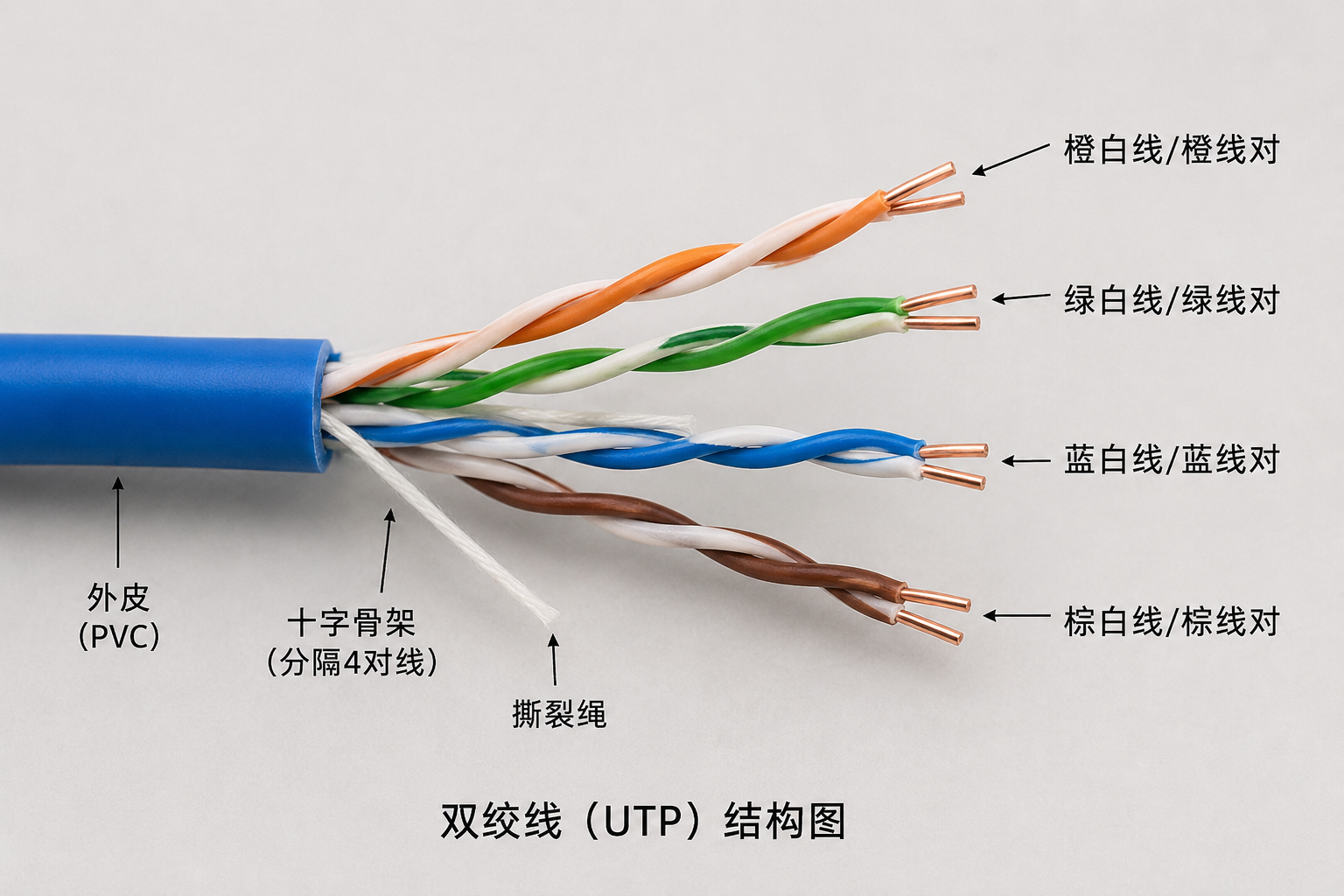
Twisted-Pair Copper Wire:
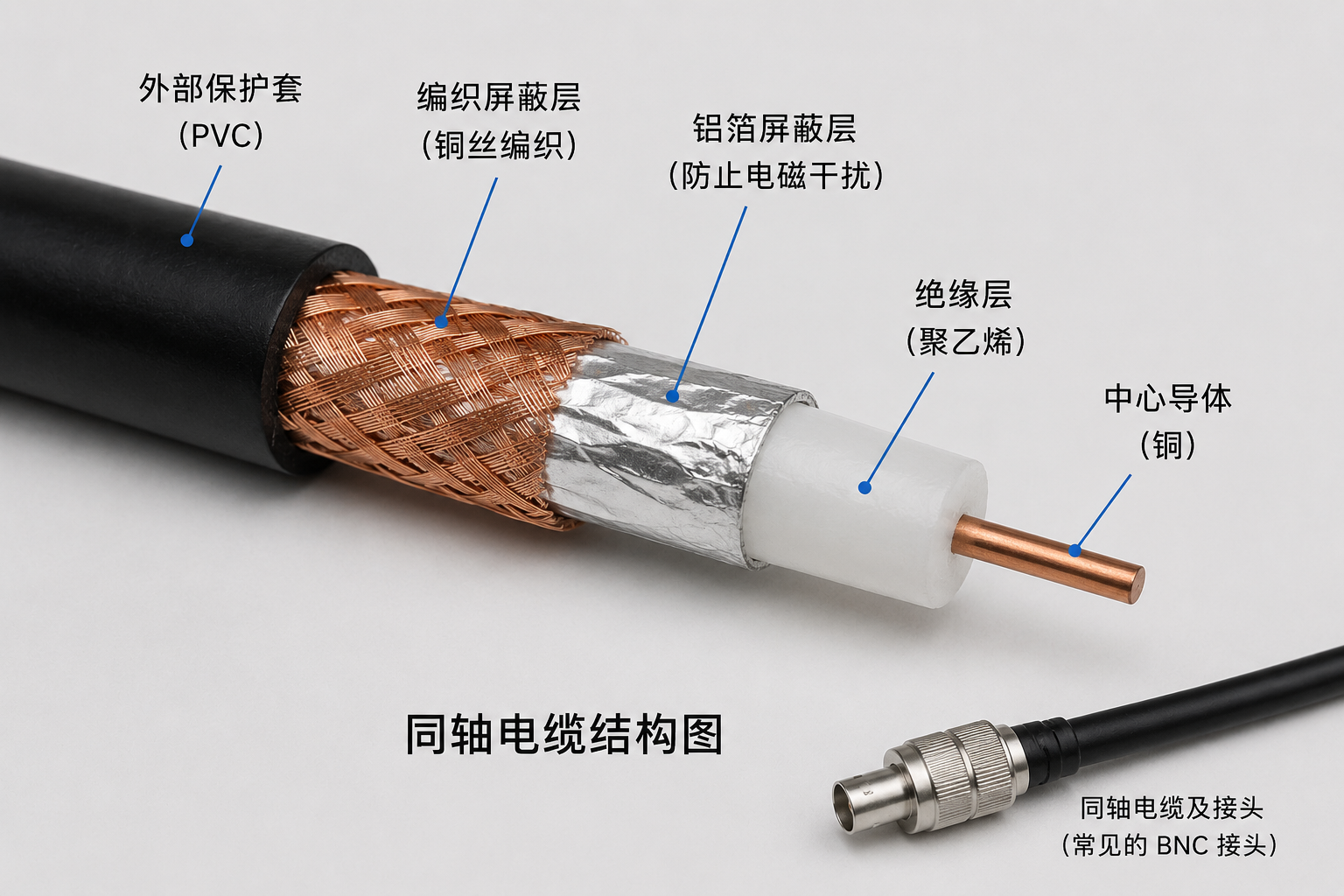
 Coaxial Cable:
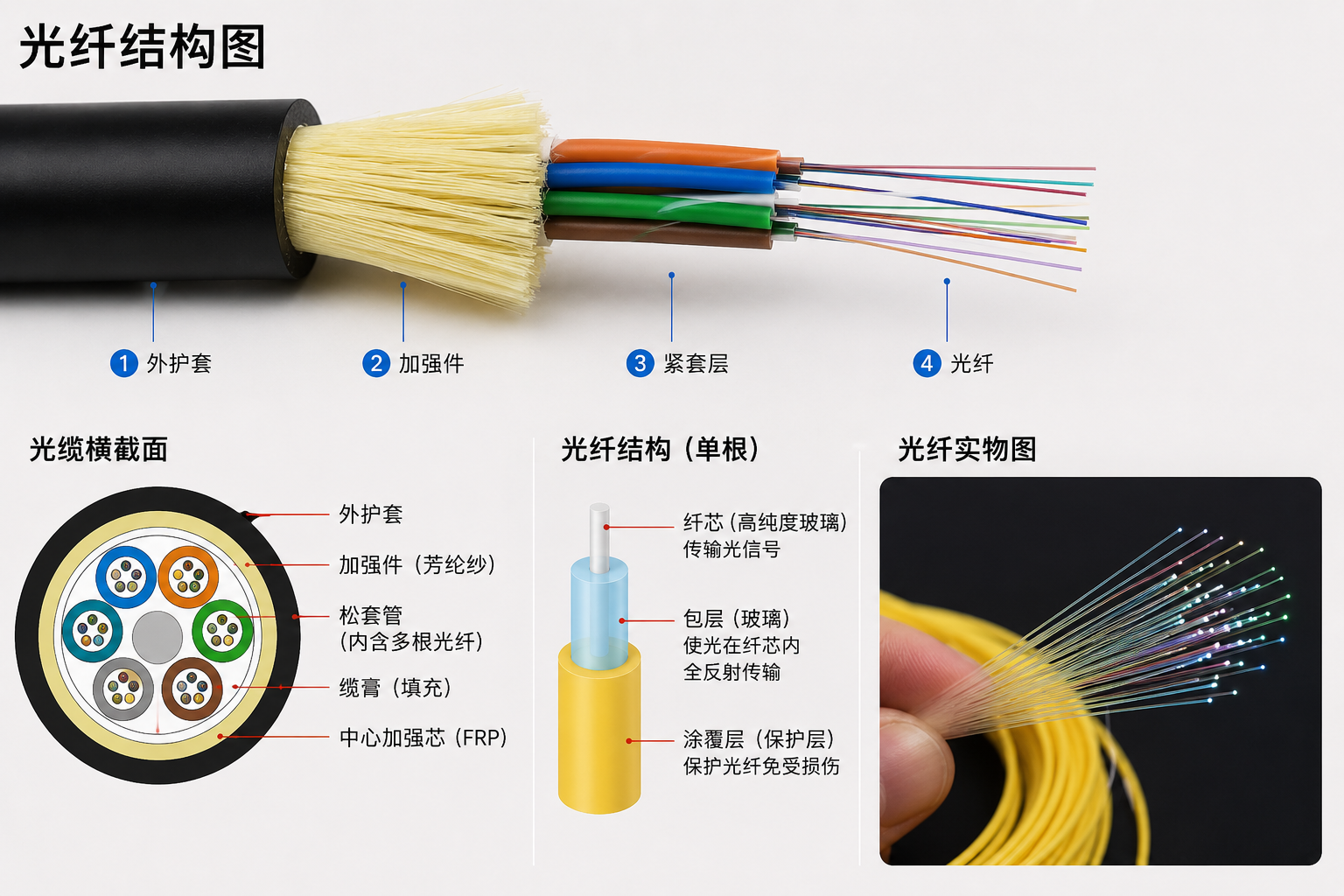
 Fiber Optics:
The Network Core
Store-and-Forward Transmission
Queuing Delays and Packet Loss
Packet Switching Versus Circuit Switching
A Network of Networks
We refer to this ecosystem—consisting of access ISPs, regional ISPs, tier-1 ISPs, PoPs, multi-homing, peering, and IXPs — as Network Structure 4.
Network Structure 5, builds on top of Network Structure 4 by adding content-provider networks.
Delay, Loss, and Throughput in Packet-Switched Networks
The most important of delays are the nodal processing delay, queuing delay, transmission delay, and propagation delay; together, these delays accumulate to give a total nodal delay.
zhuang@linux:~/reading/computer-networking-a-top-down-approach/computer-networks-and-the-internet/$ comments